
Halal Certification
- Home
- Halal Certification
Halal Certification
Their certification process involves rigorous audits based on Islamic Shariah principles and Tayyeb (wholesomeness), emphasizing ethical production, humane animal treatment, and contamination-free processes.
Halal Certification Categories
Discover everything you need to know about Halal Certification
Animal Welfare Halal Certifications
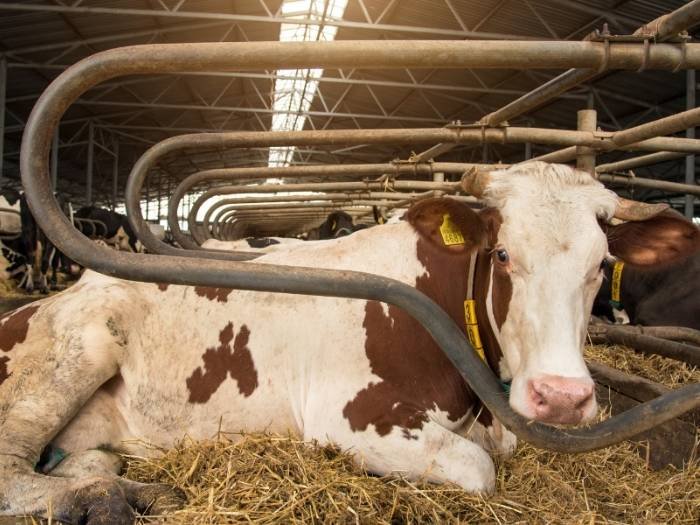
Halal animal welfare involves requirements for humane treatment from the pre-slaughter rest period to the slaughter itself. These requirements must be performed by a trained individual in accordance with Islamic law. Rules on the transport of live animals are also intended to protect animal welfare. There are rules on journey and rest times, the professional competence of drivers and technical requirements for the vehicle.
Halal animal welfare requirements:
• Pre-slaughter care: Animals must be well-rested, well-fed, and in a calm state before slaughter.• Trained slaughterer: The person performing the slaughter should be of the age of discretion, mentally stable, and preferably Muslim, though consuming meat slaughtered by Jews or Christians is permitted.
• The blessing: The slaughterer must pronounce the name of Allah during the slaughter.
• Restraint: The animal's head and neck must be securely restrained before the throat is cut.
• Sharp knife: The cutting tool must be very sharp to ensure a quick and clean cut.
• Facing Qibla: The animal should preferably face the Qibla (the direction of the Kaaba in Mecca)
Animal feed & Inputs Halal Certifications
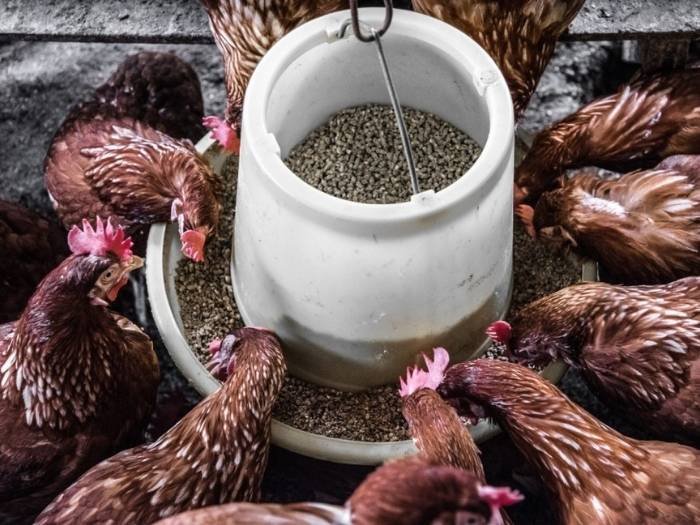
A major focus of Halal certification is ensuring there is no cross-contamination with prohibited substances during processing, storage, or transportation of feed ingredients.
Halal certification focuses on the entire supply chain of the feed manufacturer. This verifies that all ingredients and production processes comply with Halal standards, giving Muslim consumers and farmers confidence. Due to significant consumer demand, many Muslim-majority countries now require Halal-certified feed for imported livestock and local production. This has created a significant and growing market for certified feed producers worldwide.
These ingredients include grains, protein sources, vitamins, and minerals. In order for animal feed to be considered halal, the ingredients used to produce it must also be halal.

Islamic Clothes Halal Certifications
The industry successfully merges contemporary design trends with traditional values, offering a wide range of options from casual wear to formal and luxury attire. This focus on faith-based fashion allows brands to serve a global community of consumers who seek to express their cultural and religious identity through their clothing choices.

Laboratory testing & analysis for Halal
The objective data generated from this testing is essential for manufacturers to prove their products are free from any unlawful (Haram) substances, thereby building integrity and consumer trust. Operating in accordance with international standards like ISO/IEC 17025, these labs offer crucial services across the supply chain for both food and non-food products. This rigorous scientific validation is indispensable for market access and for upholding the values that underpin the entire Halal assurance ecosystem.

Hospitality Services Halal Certifications
Driven by a growing global Muslim population, Halal hospitality is a rapidly expanding sector within the tourism industry. This concept goes beyond just serving Halal food; it encompasses a comprehensive experience compliant with Islamic principles.
For Muslim travelers, Halal hospitality means that all activities, services, and facilities adhere to Islamic law. Key features include:
· The provision of certified Halal food and beverages.
· Prayer facilities with prayer mats and Qibla directions.
· Separate recreational facilities, such as swimming pools and spas, for men and women.
· A respectful environment, often supported by trained Muslim staff.
The Muslim travel market is significant and continues to grow. However, conventional international hotel standards have often failed to meet the specific needs of these travelers. Halal hospitality directly addresses these gaps, offering services that allow Muslim guests to practice their faith comfortably while traveling. This has captured the attention of destinations worldwide, leading to a need for proper Halal auditing and certification to ensure compliance and quality in this dynamic market.
Islamic Banking Halal Certifications
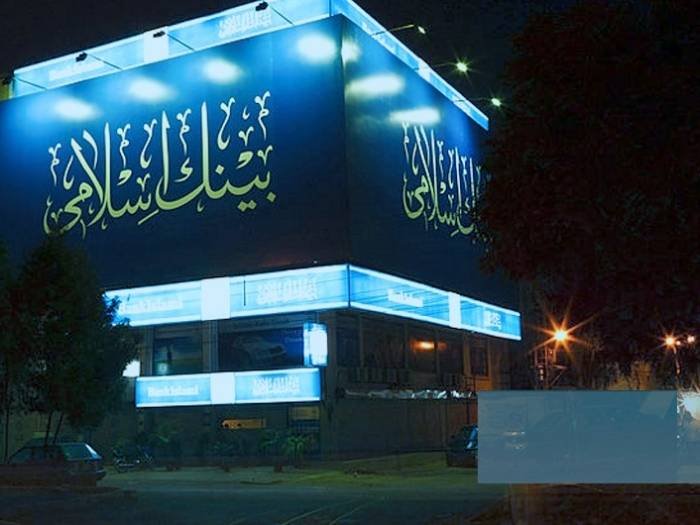
Halal banking, also known as Islamic banking, is a financial system governed by the ethical and moral principles of Islamic law. Its core purpose is to provide financial services that promote social justice and equity, strictly prohibiting the charging or paying of interest (Riba), which is considered exploitative. Instead of generating profit from interest, Halal banking is built on asset-backed financing and risk-sharing partnerships, ensuring all transactions are tied to real economic activity.
The foundation of Halal banking rests on several key principles that distinguish it from conventional finance. Firstly, it completely prohibits Riba (interest), ensuring that wealth is generated through legitimate trade and investment. Secondly, it avoids all investments in businesses involved in activities deemed Haram (forbidden), such as alcohol, gambling, etc.
A common question is how Islamic banks generate profit without charging interest. They achieve this through a variety of Halal-certified financial instruments. These include:
- Murabaha: A cost-plus sale where the bank purchases an asset and sells it to the client at a transparent markup, payable in installments.
- Mudarabah: A profit-sharing partnership where one party provides capital and the other provides expertise.
- Ijarah: A leasing agreement where the bank buys and leases an asset to a client for a rental fee.
By utilizing these asset-backed and trade-based models, Halal banking ensures its operations are both ethical and commercially viable, catering to the needs of Muslim communities and ethically-conscious consumers worldwide.
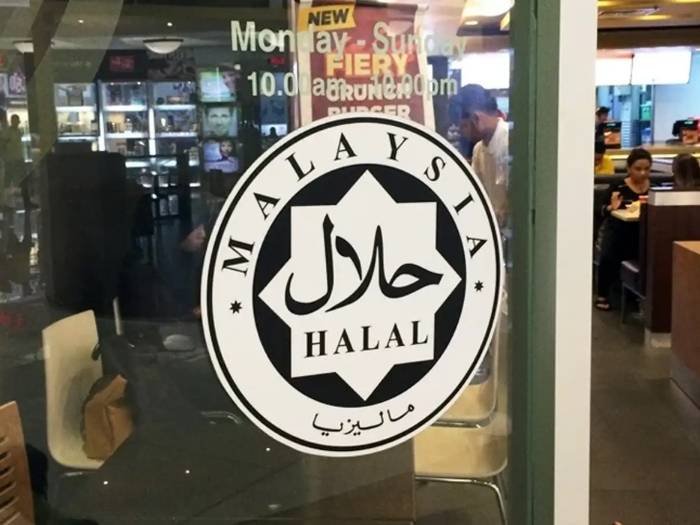
Restaurants Halal Certifications
The process also often covers broader business practices, verifying that the establishment's financing and overall operations adhere to Islamic principles. For Muslim patrons, the official halal logo displayed by the restaurant serves as trusted, at-a-glance assurance that every aspect of their dining experience, from the food preparation to the environment itself, has been independently audited and certified to meet these stringent religious and ethical standards.

Logistics Halal Certifications
The process is monitored by a dedicated Halal Assurance Management System, covering all stages from warehousing to retail delivery. By providing segregated ambient and cold chain solutions, Halal logistics offer consumers and businesses complete confidence in the sanctity of their products from the point of origin to the end-user.
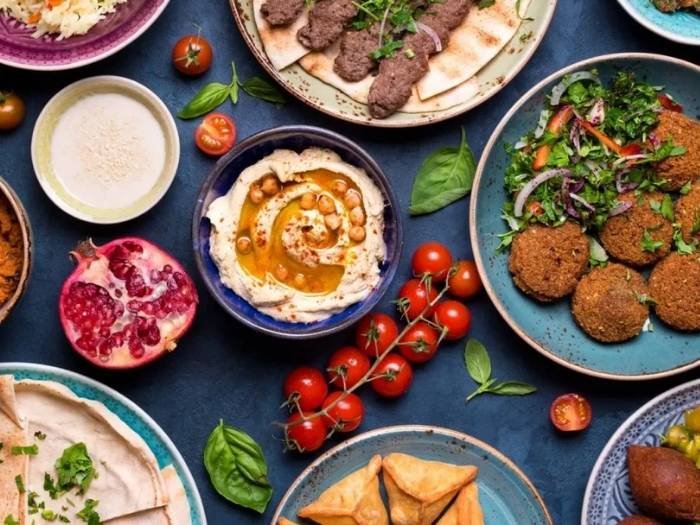
Food Services Halal Certifications

Cosmetic & Personal Care
Spurred by increased consumer awareness, the global Halal cosmetics industry is a multi-billion-dollar market experiencing rapid growth. Muslim consumers are increasingly conscious that the products they apply to their skin must be Halal, or permissible under Islamic law. This has driven demand worldwide, making it one of the fastest-growing segments after the Halal food sector. For a cosmetic product to be certified Halal, its formulation must adhere to strict guidelines:
· Prohibited Ingredients: It must not contain any ingredients derived from impermissible sources such as pigs, carrion, blood, predatory animals, or insects.
· Animal Slaughter: Any ingredients derived from permissible animals must come from animals slaughtered according to Islamic law.
· Alcohol: The use of alcohol is restricted beyond a very minimal, non-intoxicating quantity.
The appeal of Halal cosmetics extends beyond the Muslim community. The emphasis on pure, ethical, and traceable ingredients aligns with the values of modern consumers who seek natural, organic, and cruelty-free products. This positions Halal certification as a mark of quality, safety, and ethical production for a broad audience.
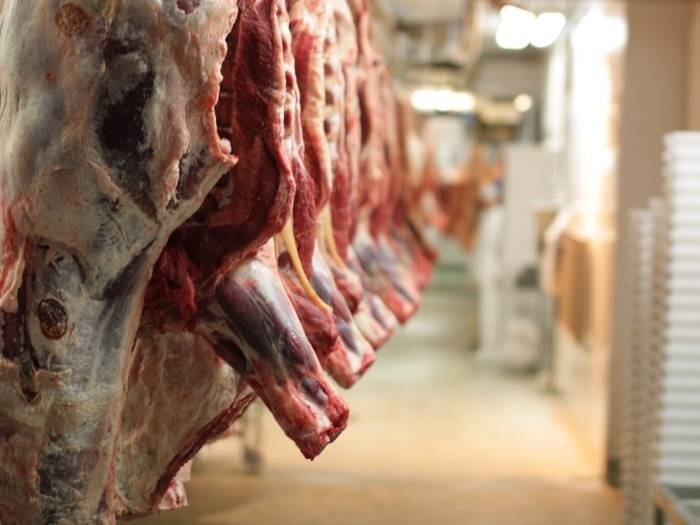
Slaughtering & Processing Halal Certifications
For meat to be Halal, the animal itself must meet specific health criteria. It must be safe for human consumption, wholesome, and free from gross disease or visible deformities. It is also worth noting that an animal raised as Halal can become impermissible (Haram) during its life if it is bred or treated with any products derived from a Haram source, such as feed containing pig-based ingredients or certain genetically engineered components.
In practice, the slaughter must be conducted in an approved abattoir by a specially trained butcher. The entire process is subject to strict Halal auditing and supervision to ensure it complies with both Shariah guidelines and the detailed standards, which can be found in agreements like the "Voluntary agreement on religious slaughter without pre-stunning." This oversight ensures that the method is consistently and correctly applied.